Pasteurization vs UHT: How to Choose Milk Heat Treatment for Your Market
The choice between pasteurized and UHT milk is decided by your distribution chain, not your budget. A practical guide for new dairy plants.
A CIP system is sized to the circuits it has to clean, not to the floor area of the plant. The relevant figures are the volume of the longest circuit, the flow rate needed to clean it properly, and how many circuits have to be cleaned in the same window.
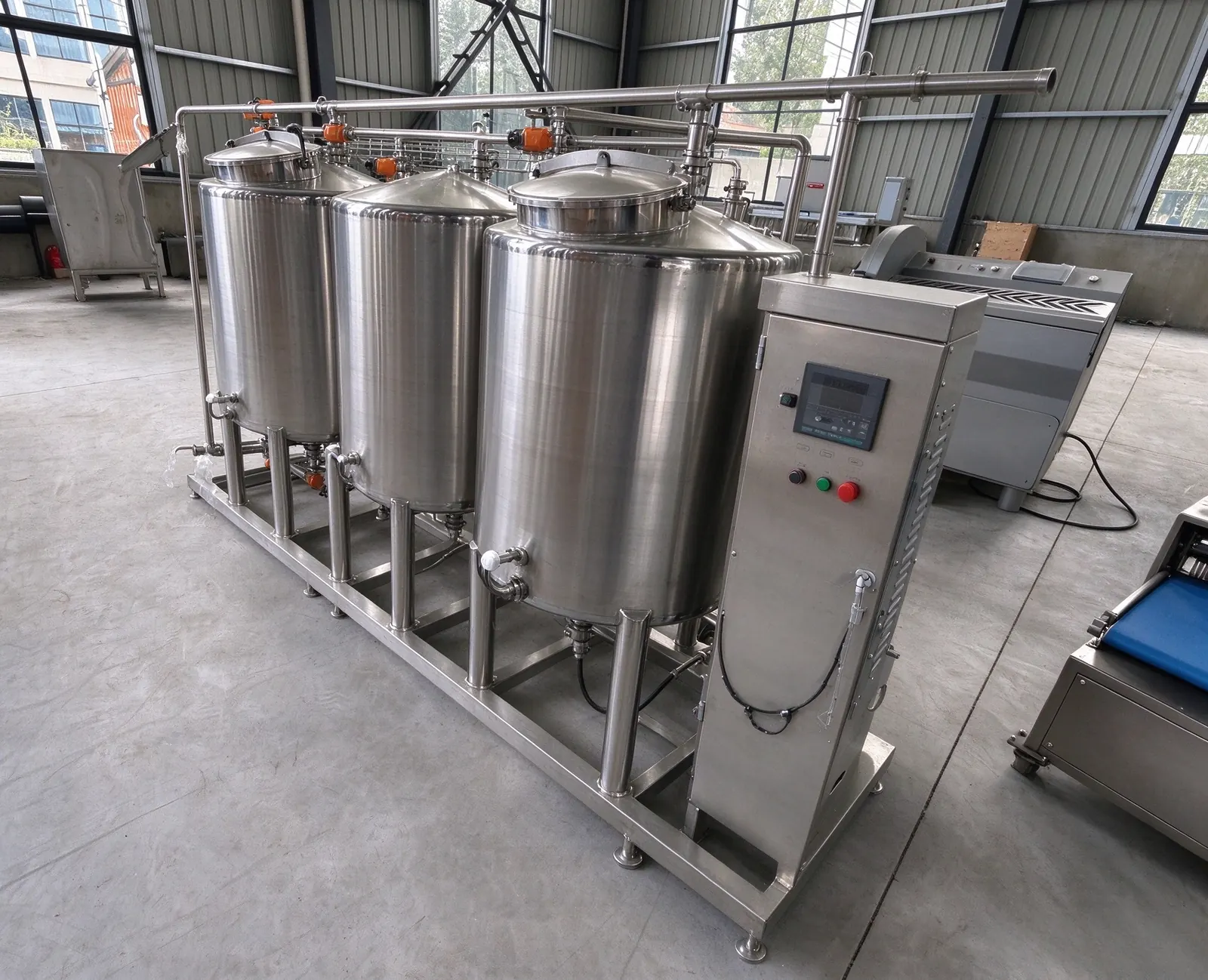
This is the piece of equipment most often bought too small. An undersized CIP unit does not fail — it just cleans inadequately, which shows up weeks later as shelf life problems that get blamed on something else.
Single-tank and multi-tank CIP skids are built to order, with manual, semi-automatic and automatic control. Send us a list of the circuits to be cleaned and your production window.
Send my requirements →
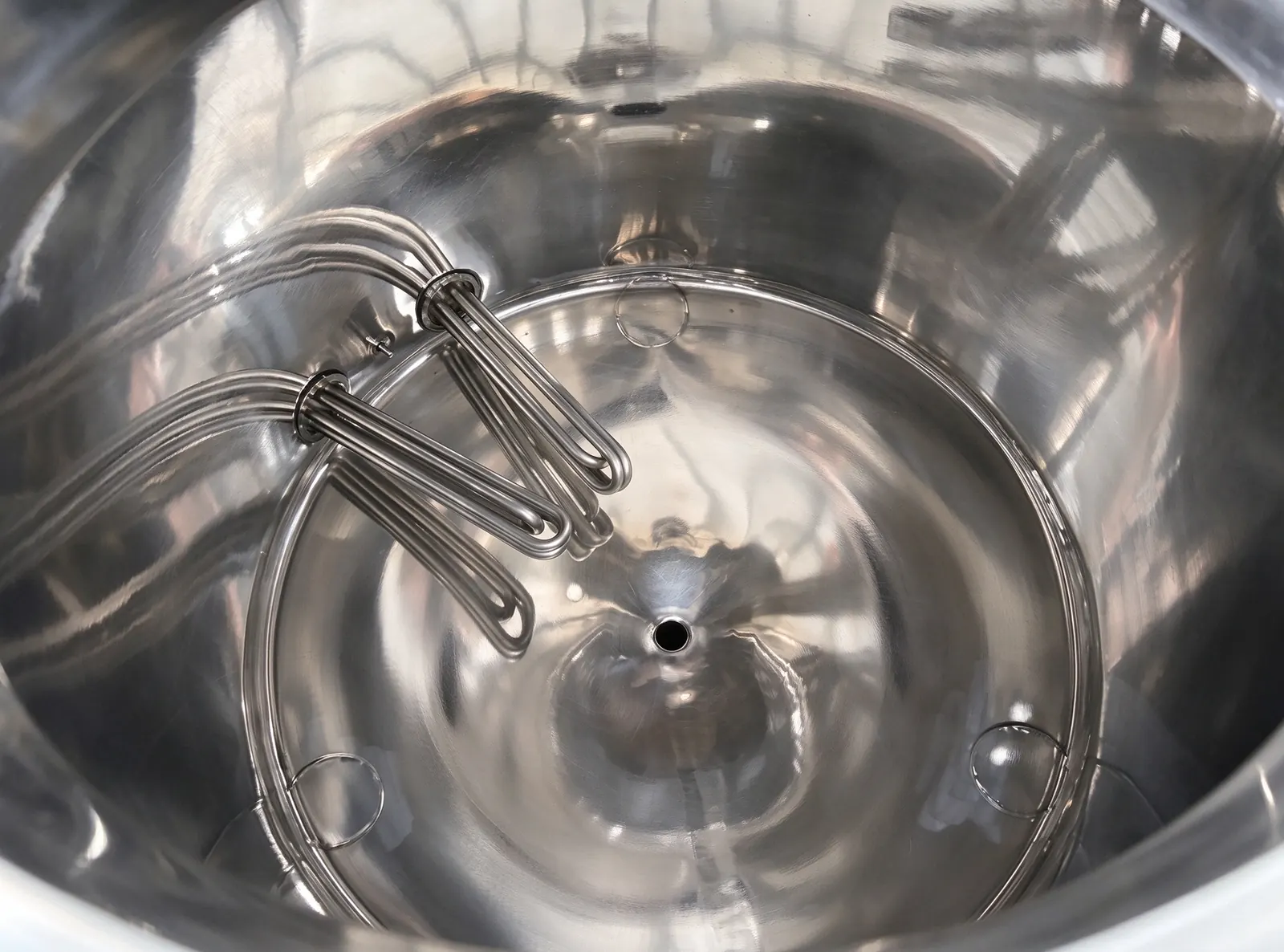
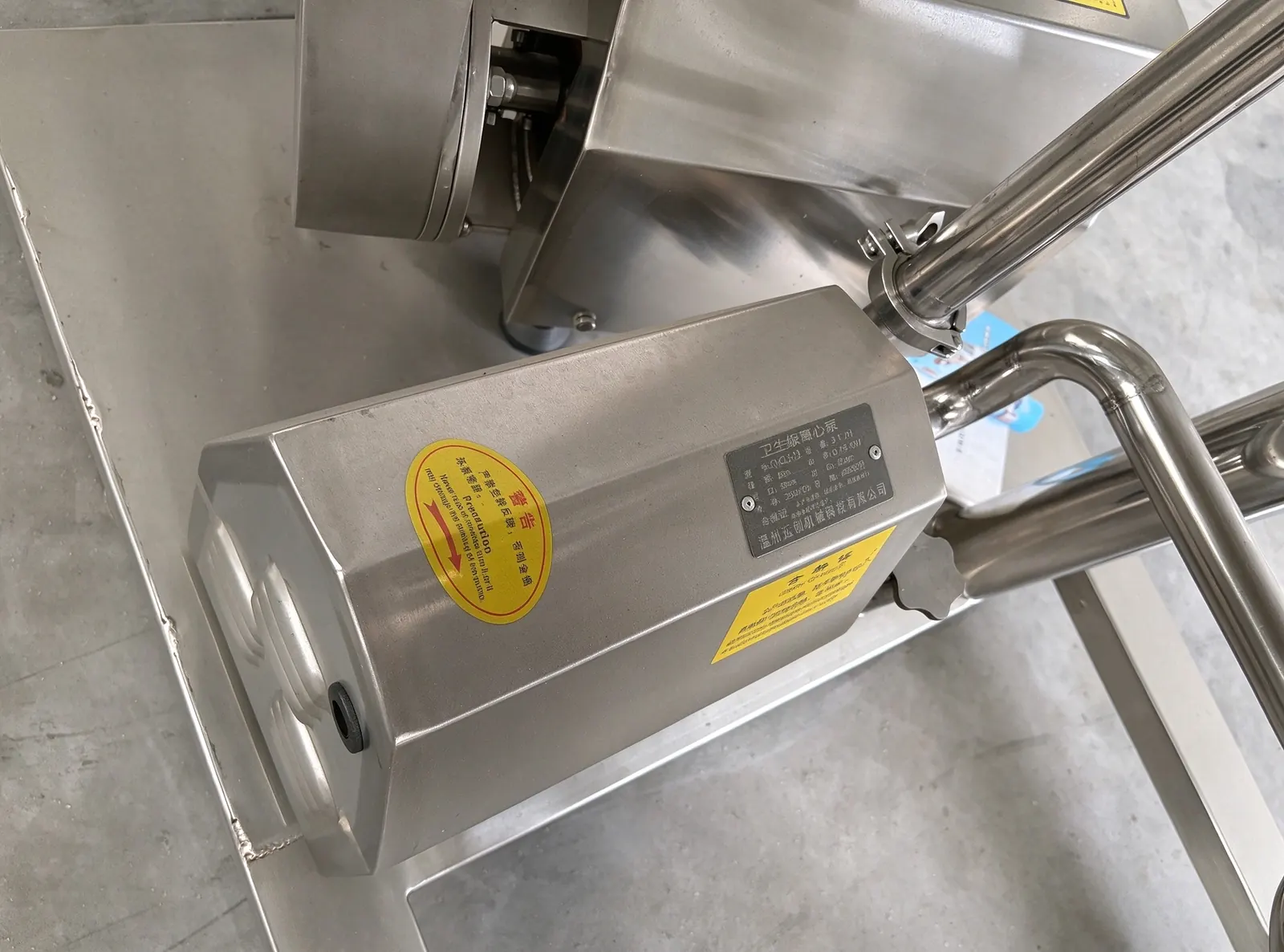
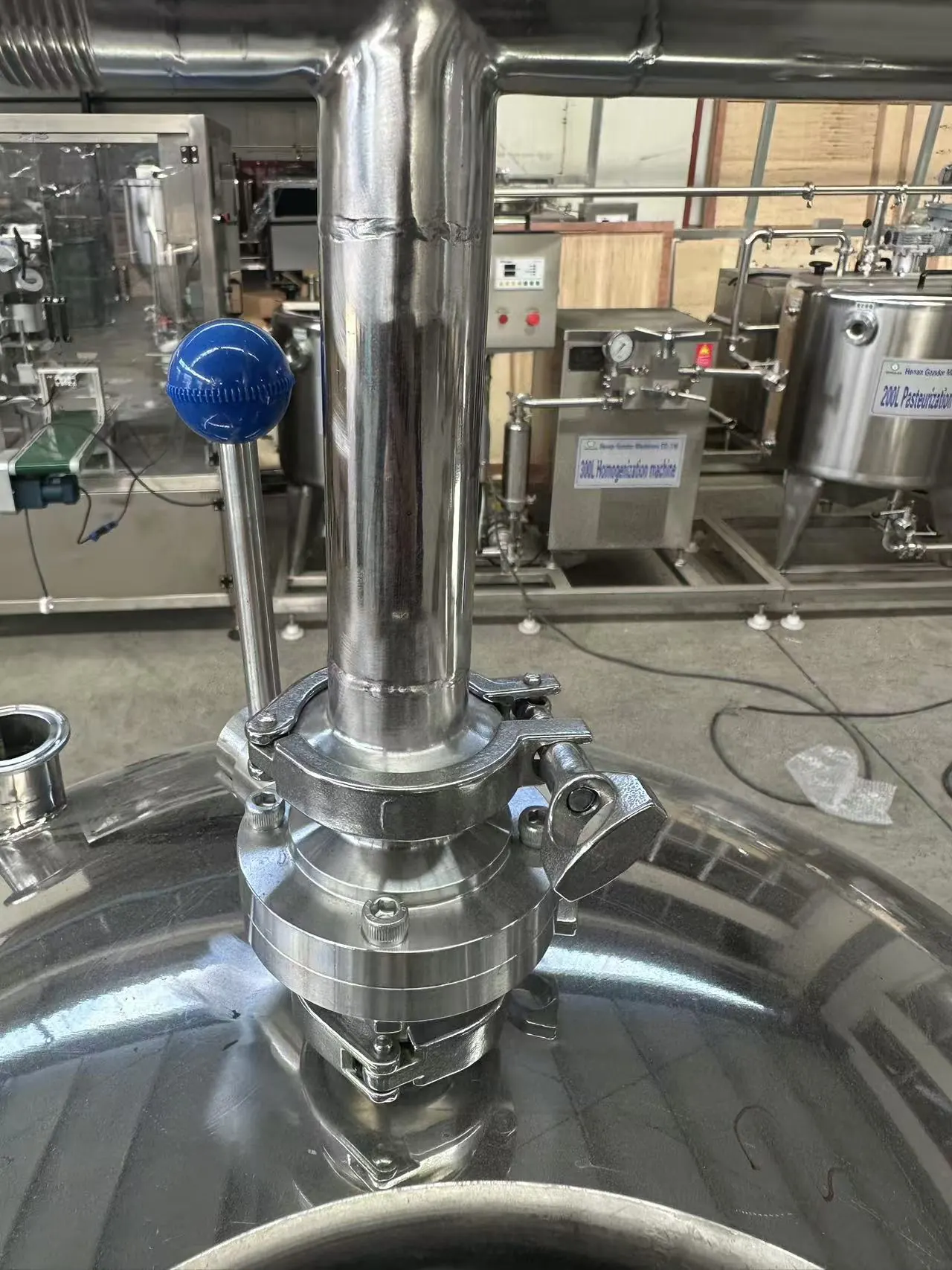
Because it has to reach every tank and pipe, the CIP station is usually placed near the middle of the line, between processing and filling. That keeps supply and return pipes short and saves both cost and cleaning chemicals.
Raw and pasteurised sides are cleaned as separate circuits. If several circuits must be cleaned in the same short window, a multi-tank automatic skid pays for itself in labour and water.
Automatic CIP holds temperature, concentration and time for every step and records it — the evidence food safety auditors ask for. Manual CIP works, but depends on the operator doing it the same way every time.
The choice between pasteurized and UHT milk is decided by your distribution chain, not your budget. A practical guide for new dairy plants.
CIP is the equipment most often bought too small. How to size tank volume, flow and the number of tanks from your circuits and cleaning window.
Work back from your egg supply, not forward from a machine rating. How to size a first liquid egg line and which stages buyers most often forget.