Pasteurization vs UHT: How to Choose Milk Heat Treatment for Your Market
The choice between pasteurized and UHT milk is decided by your distribution chain, not your budget. A practical guide for new dairy plants.
A milk line is more than a list of machines. Before we quote, we work out the process flow, the balance between stages, the utility load and the floor space you will need — then propose the equipment that fits.
The line below is the typical sequence for chilled pasteurised milk. Most plants leave some stages out or already have them; tell us what you have and we will quote only what is missing.
Manufactured by us Specified & integrated
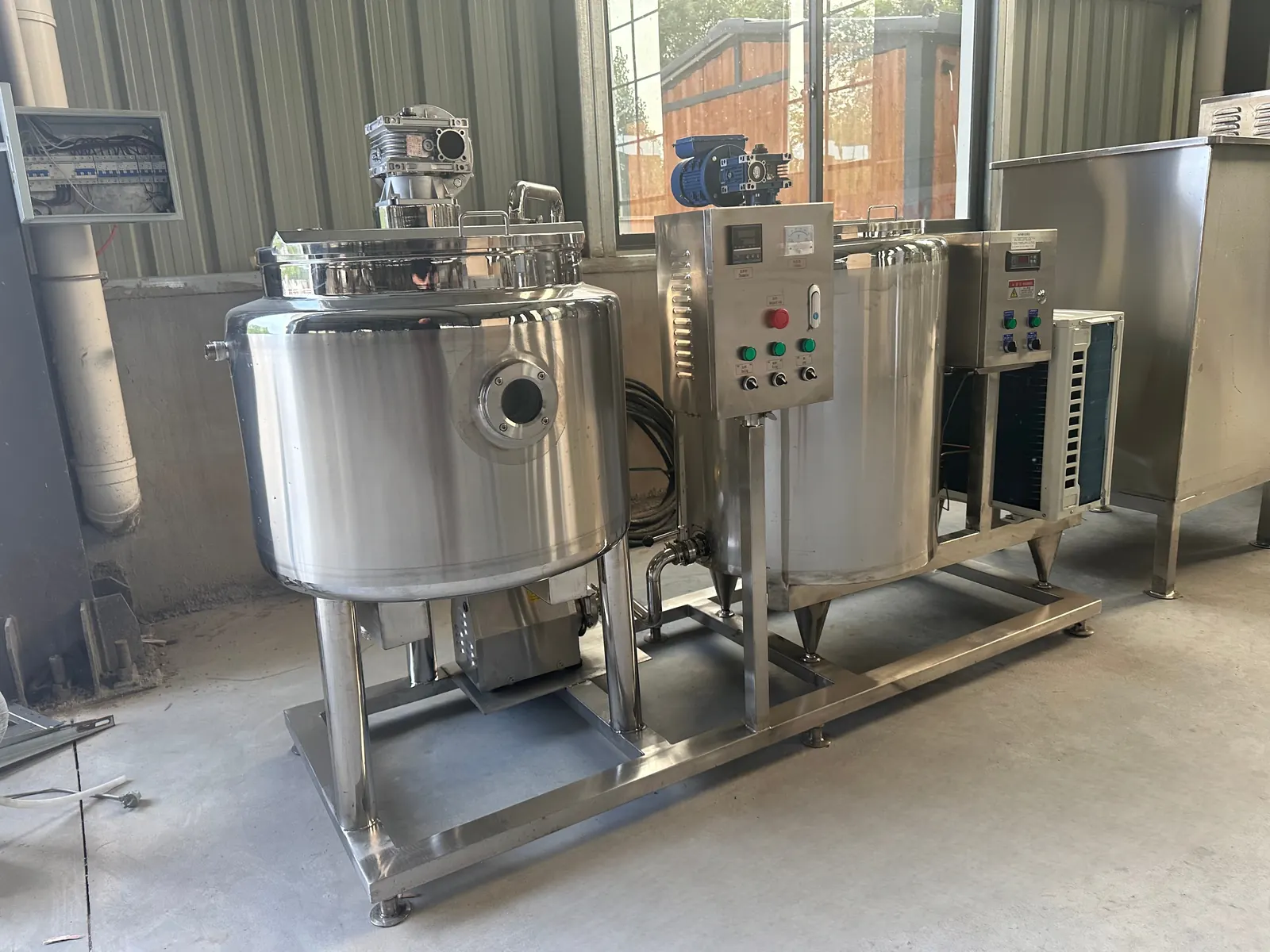
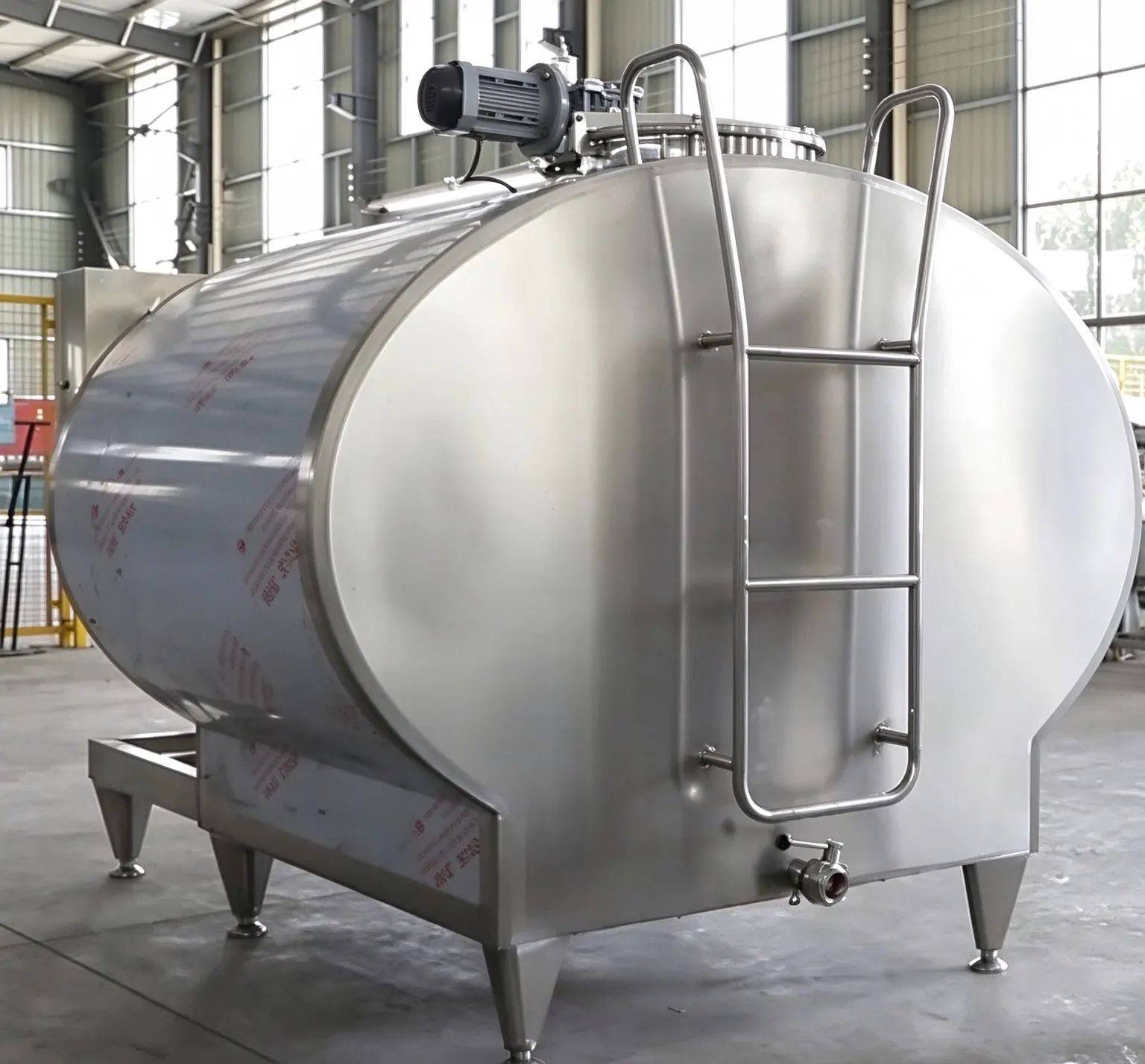
Insulated storage tanks sized to your delivery pattern, with agitation and cooling.
Milk Cooling & Storage TanksSeparator and homogeniser are specified and integrated from established suppliers; the quotation states clearly which items are bought in.
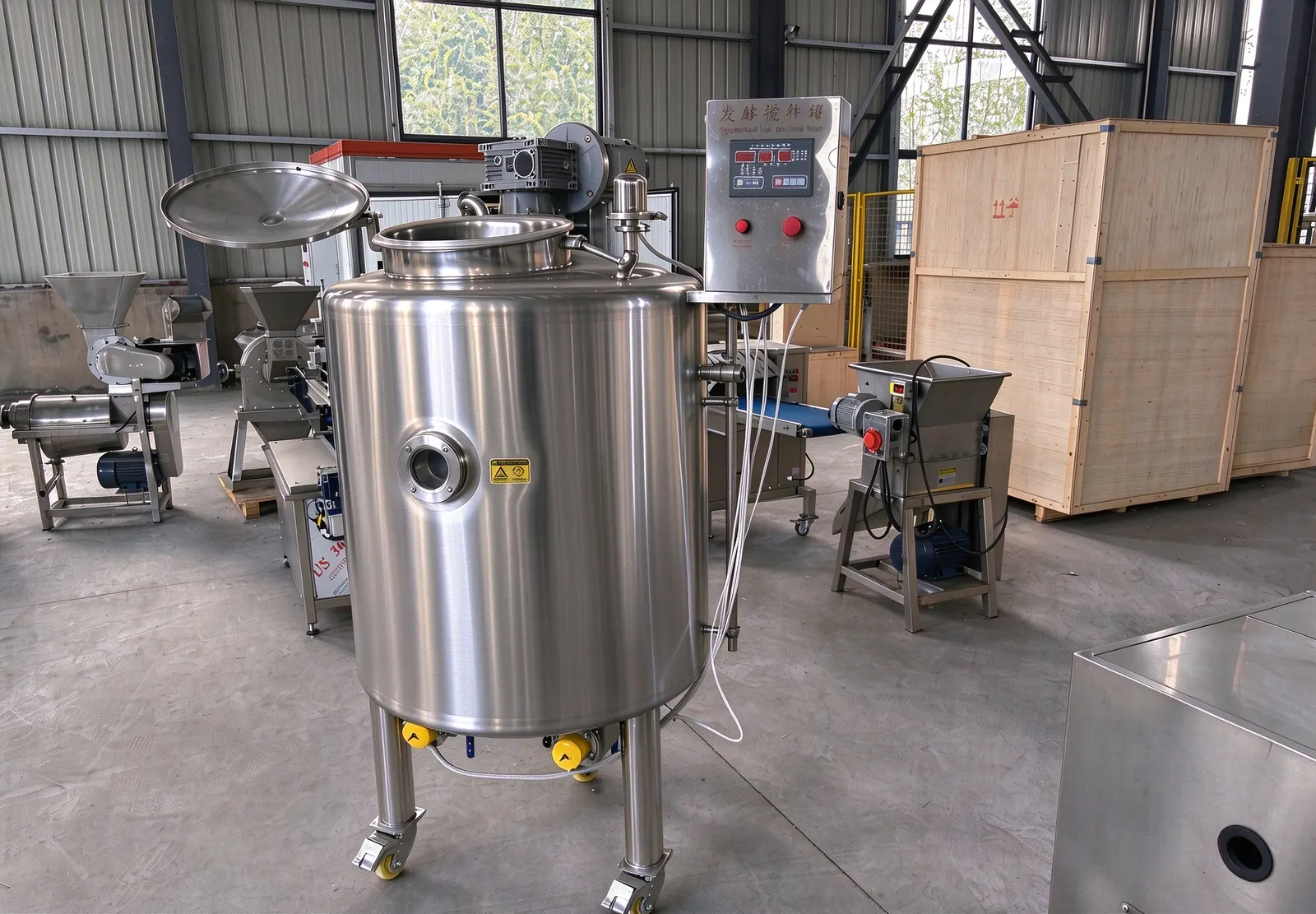
Jacketed mixing tanks for fat standardising and powder reconstitution.
Dairy Mixing TanksPlate system from 1,000 to 10,000 L/h with regeneration, holding section and automatic flow diversion.
Milk Pasteurization EquipmentBuffer tank that decouples the pasteuriser from the filling machine.
Milk Cooling & Storage TanksPouch, bottle or carton fillers specified to your pack format and integrated into the line.
CIP skid sized to the longest circuit and your cleaning window.
CIP Cleaning SystemsRaw material, target product, capacity, local voltage and frequency, heating source and destination port. If you are not sure about some of these, tell us what you do know.
A process flow, an equipment list with specifications, a suggested layout and a quotation. If more than one configuration makes sense, we explain the trade-off instead of sending one option.
Fabrication, welding, polishing and assembly in our own workshop. Standard machines ship in 20 days; a complete line in 40–45 days.
Our engineers travel to site — typically 4 days for installation, commissioning and operator training. Travel and accommodation are covered by the buyer.
The choice between pasteurized and UHT milk is decided by your distribution chain, not your budget. A practical guide for new dairy plants.
CIP is the equipment most often bought too small. How to size tank volume, flow and the number of tanks from your circuits and cleaning window.
About three minutes. An engineer reads every request and replies with questions or a process proposal — not an automatic price list.