Manufacturer · Qingdao, China · EXW / FOB Qingdao
Dairy Equipment

Milk Pasteurization Equipment

Also called milk pasteurization machines or HTST pasteurizers.

Heat treatment is where most of the risk in a dairy plant sits. Too little heat and the product is unsafe; too much and you damage flavour, protein and shelf life for no benefit. The equipment has to hold milk at the right temperature for the right time, every time, and prove that it did.
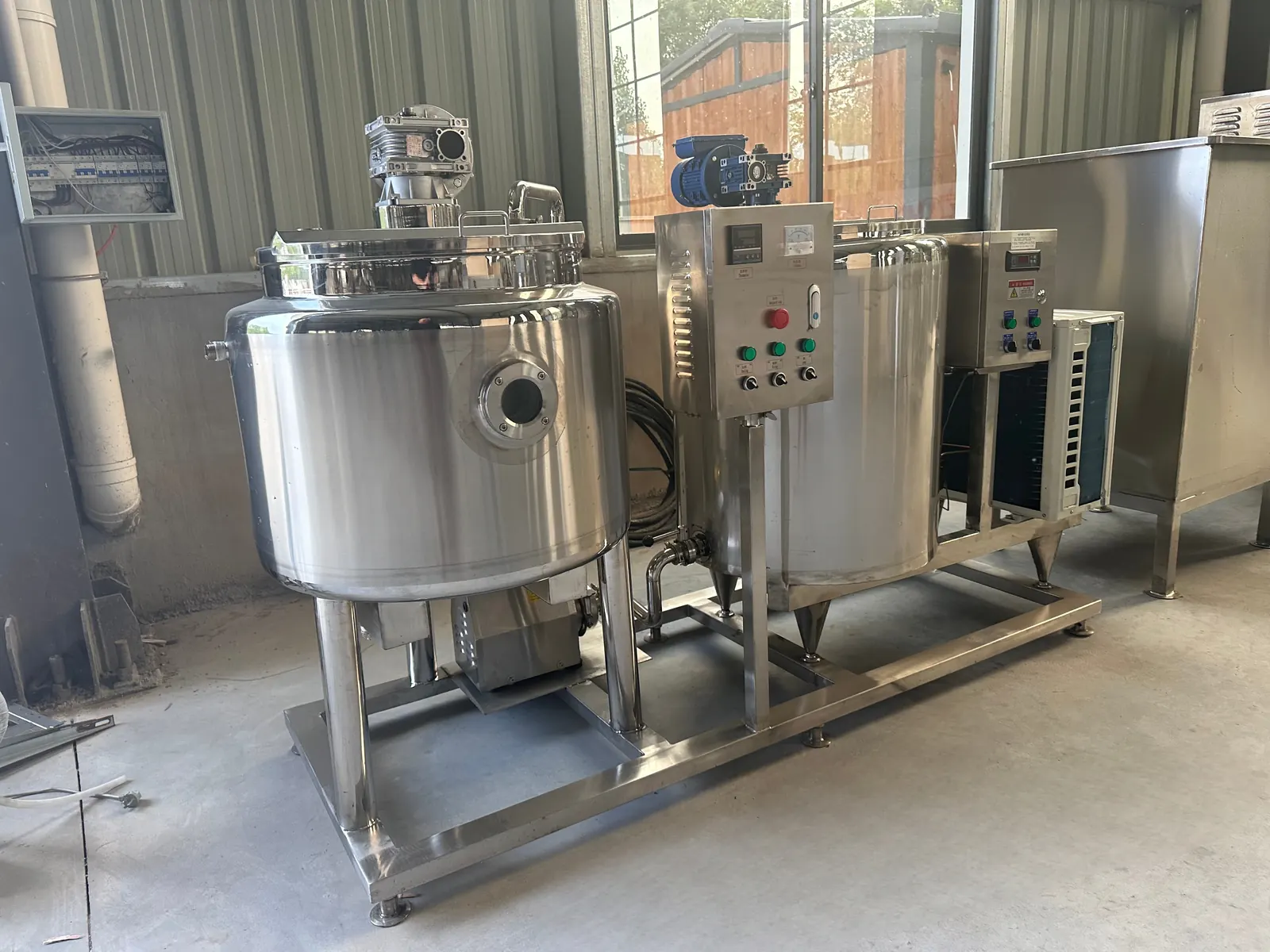
Batch pasteurizing tank with control box
Overview

What decides the result

We build plate systems from 1,000 to 10,000 litres per hour and specify tubular systems where the product will not pass a plate gap. Sizing starts from your throughput, the steam available on your site and the shelf life you need — the right choice is rarely the one with the highest capacity, but the one that matches how you actually run.

Steam consumption is published per model rather than quoted on request, because it is the figure most likely to catch a buyer out after installation.

Equipment in this category

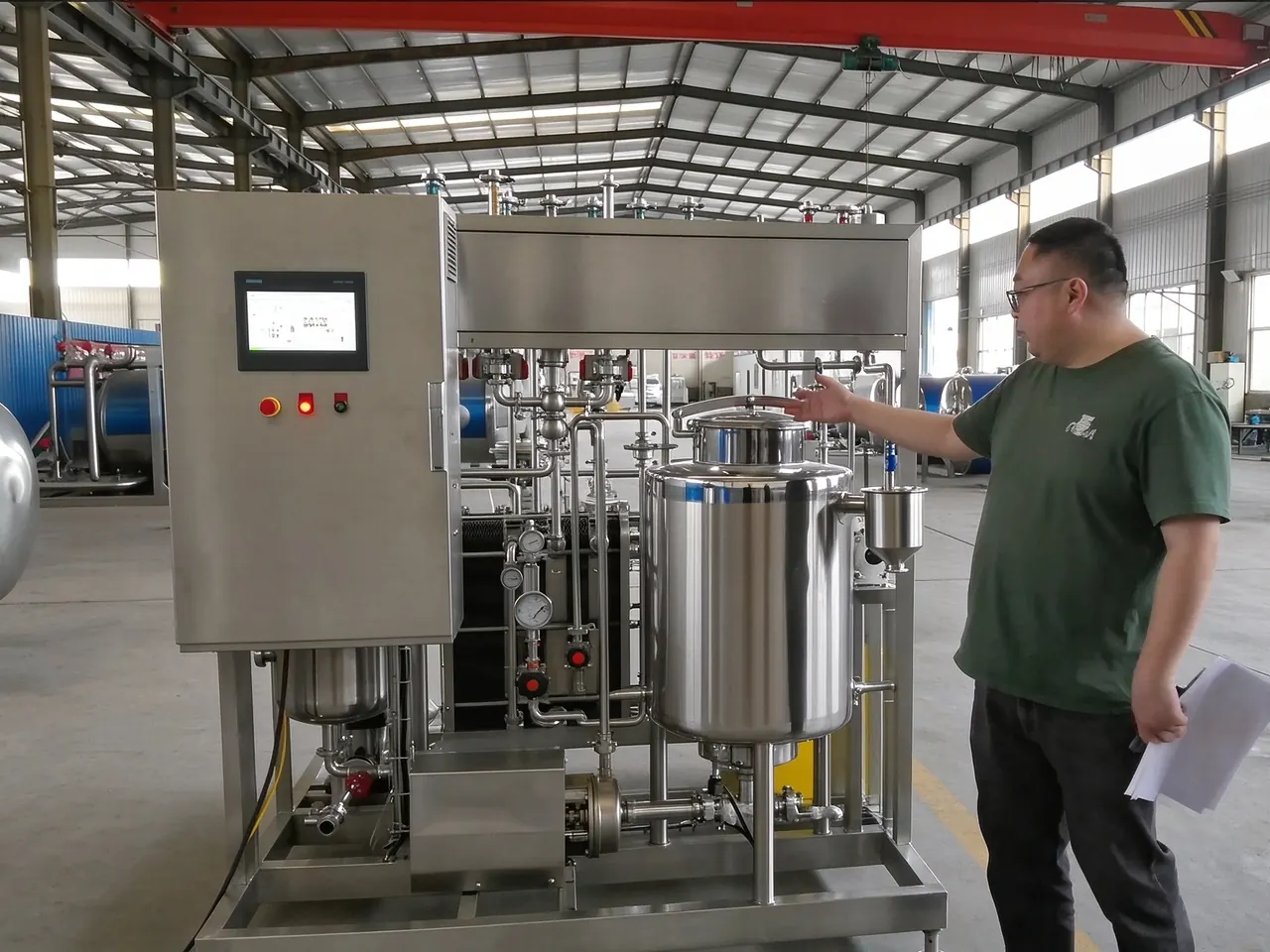
Plate UHT sterilizer during factory test run
1,000 – 10,000 L/h

Plate UHT Sterilizer

A continuous plate heat treatment system for milk and similar liquid dairy products.

View specifications →

Tubular systems and batch pasteurisers are also built to order. Tell us your product and volume and we will send the specification directly.

Send my requirements
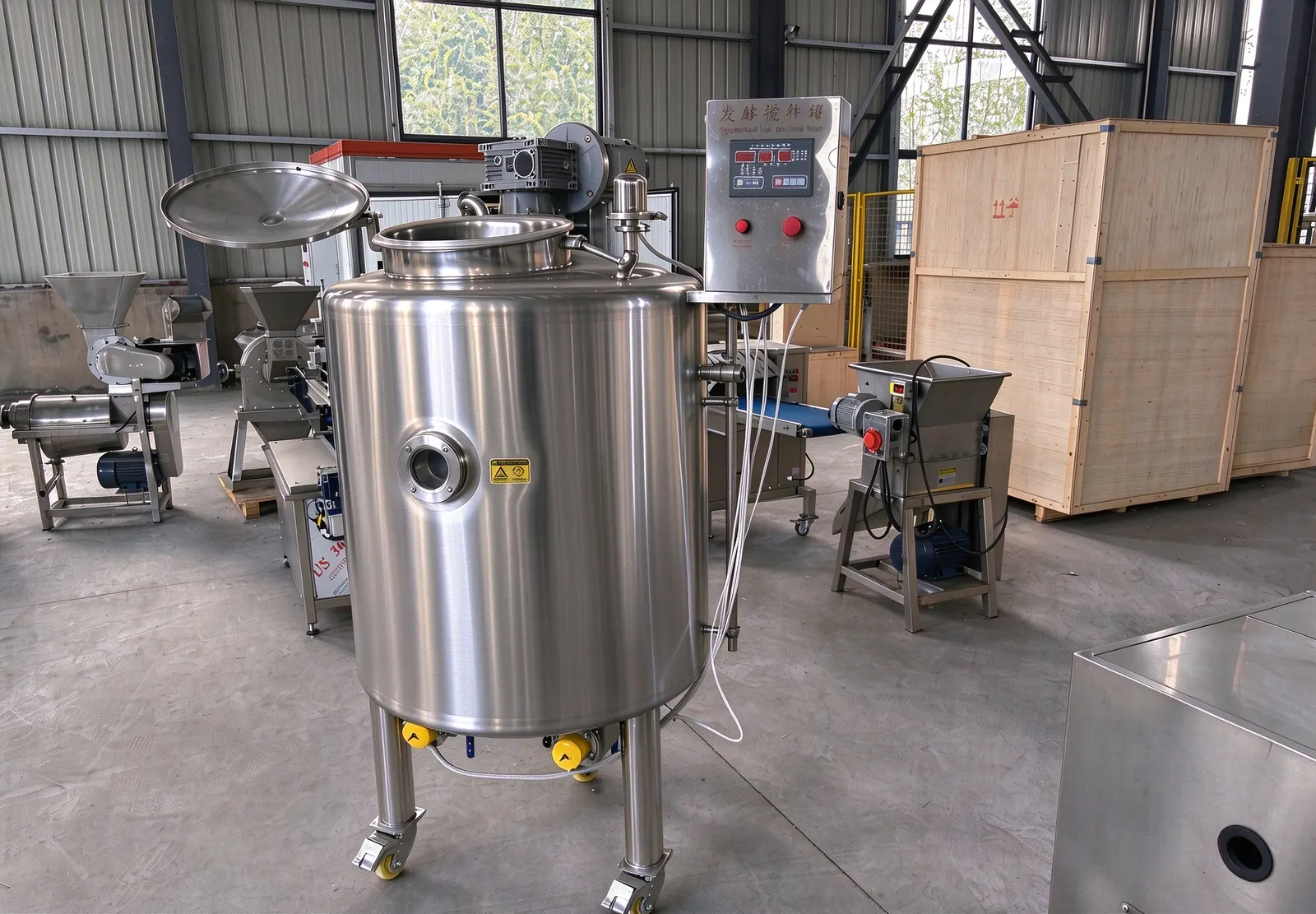
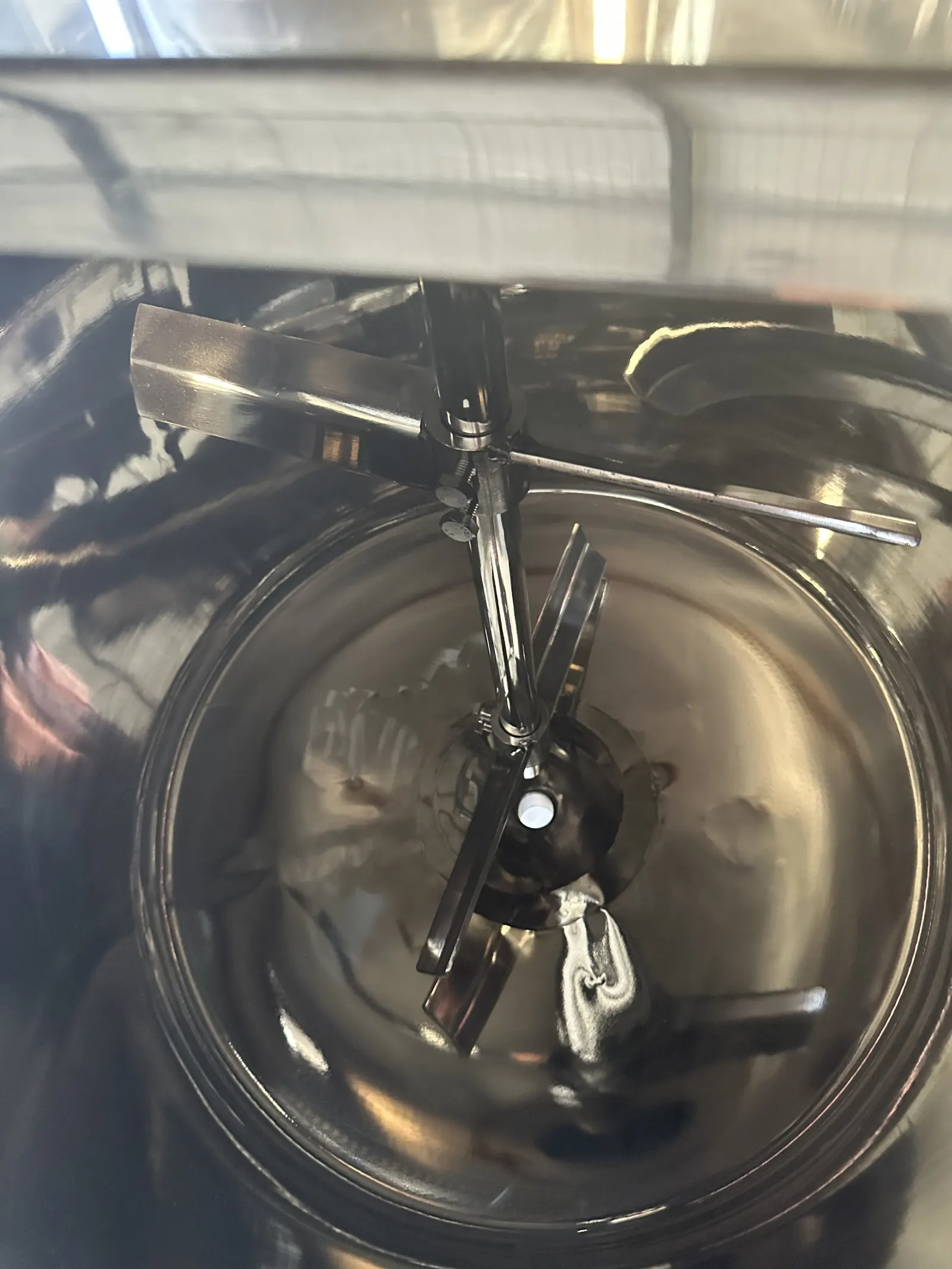
Real photos · our workshop

Milk Pasteurization Equipment built in our workshop

  • Jacketed pasteurizing tank
  • Agitator inside the pasteurizing tank
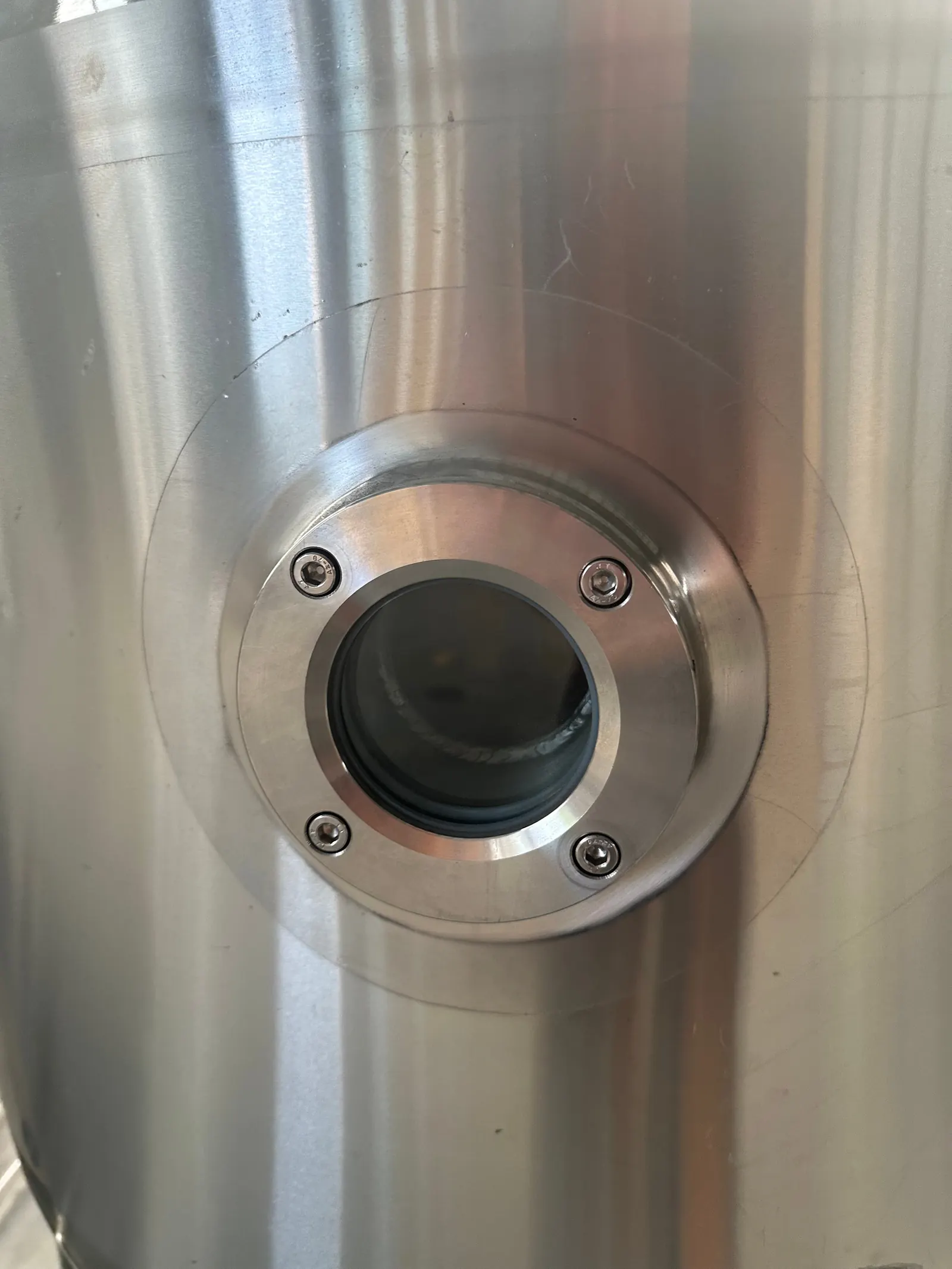
  • Sight glass on the tank shell
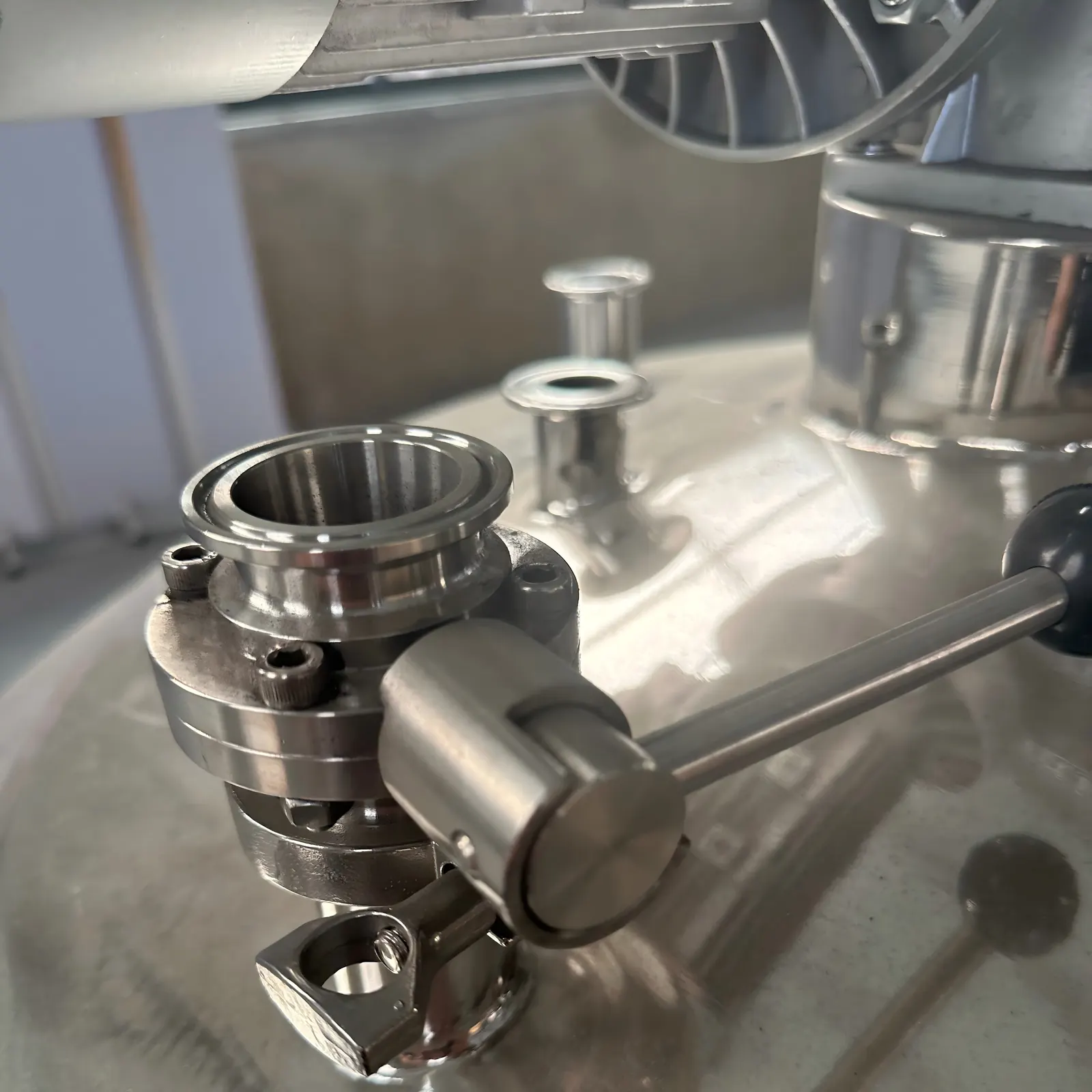
  • Sanitary outlet valve

How to choose

  1. Throughput and run pattern

    Litres per hour matters less than litres per day and how many hours you run. A plant doing 8,000 litres over ten hours needs different equipment from one doing 8,000 litres in three.

  2. Product and viscosity

    Whole milk, skimmed milk, cream, yogurt base and flavoured milk behave differently in a plate gap. Products with particulates or high viscosity need a tubular exchanger instead.

  3. Steam capacity on site

    Our systems consume between 220 and 2,000 kg of steam per hour depending on capacity. Check that figure against your boiler — including whatever else it serves — before choosing a model.

  4. Shelf life and cold chain

    The shelf life you need determines whether pasteurisation is sufficient or whether UHT and aseptic filling are required. This decision costs more to change later than any other in the plant.

  5. Records and local regulation

    Some markets require automatic temperature recording and flow diversion, and specify how records are kept. Recording is far easier to fit at manufacture than to retrofit.

Not sure which model fits your throughput?

Send your daily volume and your site conditions. We will recommend a model and explain the reasoning — including a smaller machine than you asked for, if that is what makes sense.

Engineering guides

Information we need to quote

  1. What product are you treating, and at what fat content?
  2. How many litres per day, and over how many hours?
  3. What shelf life do you need, and is the distribution chain chilled?
  4. What is your boiler capacity in kg of steam per hour?
  5. Local voltage and frequency?
  6. Does the treated product go to a filling machine, a tank or a fermentation stage?

Questions buyers ask

What is the difference between pasteurisation and UHT?
Pasteurisation heats milk to a moderate temperature for a short hold and produces a chilled product with a limited shelf life. UHT heats to a much higher temperature for a few seconds, which — combined with aseptic filling — allows storage at ambient temperature. The decision is about your distribution chain, not your budget: if you sell into areas without reliable refrigeration, pasteurisation alone will not work no matter how well the equipment is built.
How much steam will I need?
Our plate systems consume roughly 0.2 kg of steam per litre processed: 220 kg/h at 1,000 L/h, rising to 2,000 kg/h at 10,000 L/h. Add whatever else your boiler serves, particularly CIP. Undersized steam does not fail obviously — it shows up as temperature fluctuation and repeated flow diversion, which looks like an equipment fault.
Do I need a flow diversion valve?
Any continuous system should have one. It returns product to the balance tank if the temperature at the end of the holding section falls below set point, so under-processed milk cannot reach filling. In several markets it is a regulatory requirement rather than an option.
Can one system handle both milk and yogurt base?
Often yes, if the two have similar viscosity and you accept a changeover and cleaning cycle between them. Where the yogurt base contains stabilisers, sugar or fruit preparations, viscosity rises and a tubular exchanger may be needed. Tell us both products when you enquire and we will size for the harder of the two.
Start with your numbers

Tell us what you produce. We will size the line.

Product, daily volume, voltage and heating source are enough to start. An engineer replies with a process flow, equipment list and quotation.