How to Size a CIP System for a Dairy or Liquid Egg Plant
CIP is the equipment most often bought too small. How to size tank volume, flow and the number of tanks from your circuits and cleaning window.
A liquid egg line has four jobs to get right: eggs arrive clean and dry, they are broken without shattering the shell, one bad egg never reaches the tank, and the liquid is pasteurised inside the narrow temperature window egg protein allows.
We build every stage and size them against each other, working back from your egg supply and shift pattern rather than forward from a machine rating — buying more capacity than your supply supports is the most common and most expensive mistake on a first egg line.
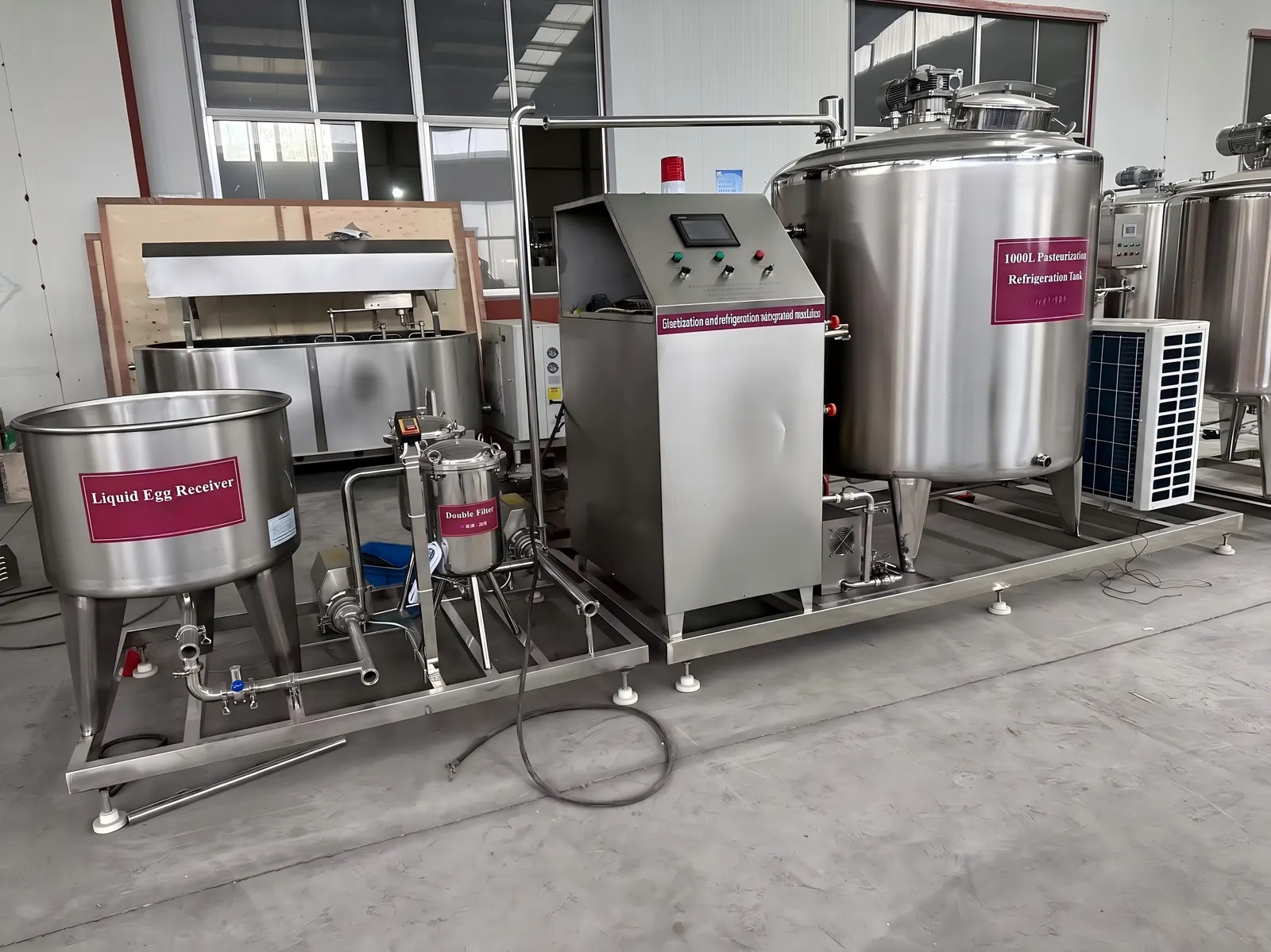
Manufactured by us Specified & integrated
Sectional washing line, 10,000–15,000 eggs/h on the 2-row model.
Egg Washing Lines5 or 7 weight grades, 4,000–11,000 eggs/h, to keep the breaker in its size range.
Egg Grading MachinesChain-type breaker, 5,400–16,000 eggs/h, with per-egg inspection and separate white/yolk outlets.
Egg Breaking MachinesConverts the surge flow from the breaker into constant flow for the pasteuriser.
Liquid Egg Storage TanksWhite 56–57 °C, whole egg 60 °C, yolk 60–61 °C, 3.5 minute hold.
Liquid Egg PasteurizersAgitated, insulated tanks until packing.
Liquid Egg Storage TanksBag-in-box, bucket or bottle filling integrated to your format.
Separate from any dairy circuit.
CIP Cleaning Systems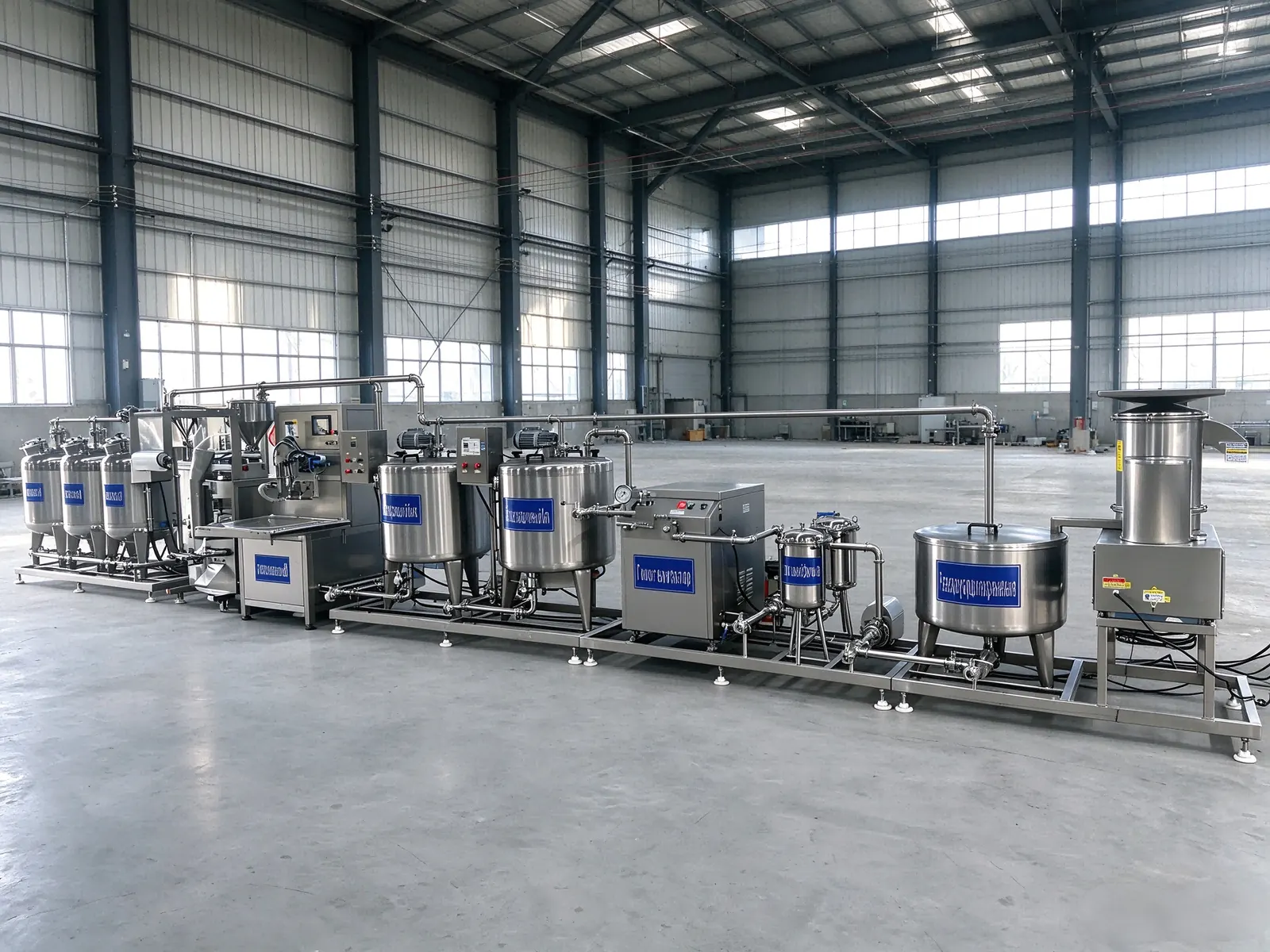
Raw material, target product, capacity, local voltage and frequency, heating source and destination port. If you are not sure about some of these, tell us what you do know.
A process flow, an equipment list with specifications, a suggested layout and a quotation. If more than one configuration makes sense, we explain the trade-off instead of sending one option.
Fabrication, welding, polishing and assembly in our own workshop. Standard machines ship in 20 days; a complete line in 40–45 days.
Our engineers travel to site — typically 4 days for installation, commissioning and operator training. Travel and accommodation are covered by the buyer.
CIP is the equipment most often bought too small. How to size tank volume, flow and the number of tanks from your circuits and cleaning window.
Work back from your egg supply, not forward from a machine rating. How to size a first liquid egg line and which stages buyers most often forget.
About three minutes. An engineer reads every request and replies with questions or a process proposal — not an automatic price list.