Manufacturer · Qingdao, China · EXW / FOB Qingdao
Dairy Equipment

Milk Cooling & Storage Tanks

Also called bulk milk coolers or refrigerated milk tanks.

Storage tanks buffer the difference between how milk arrives and how your plant runs. Raw milk arrives in deliveries; processing runs at a steady rate. The tank absorbs that mismatch.
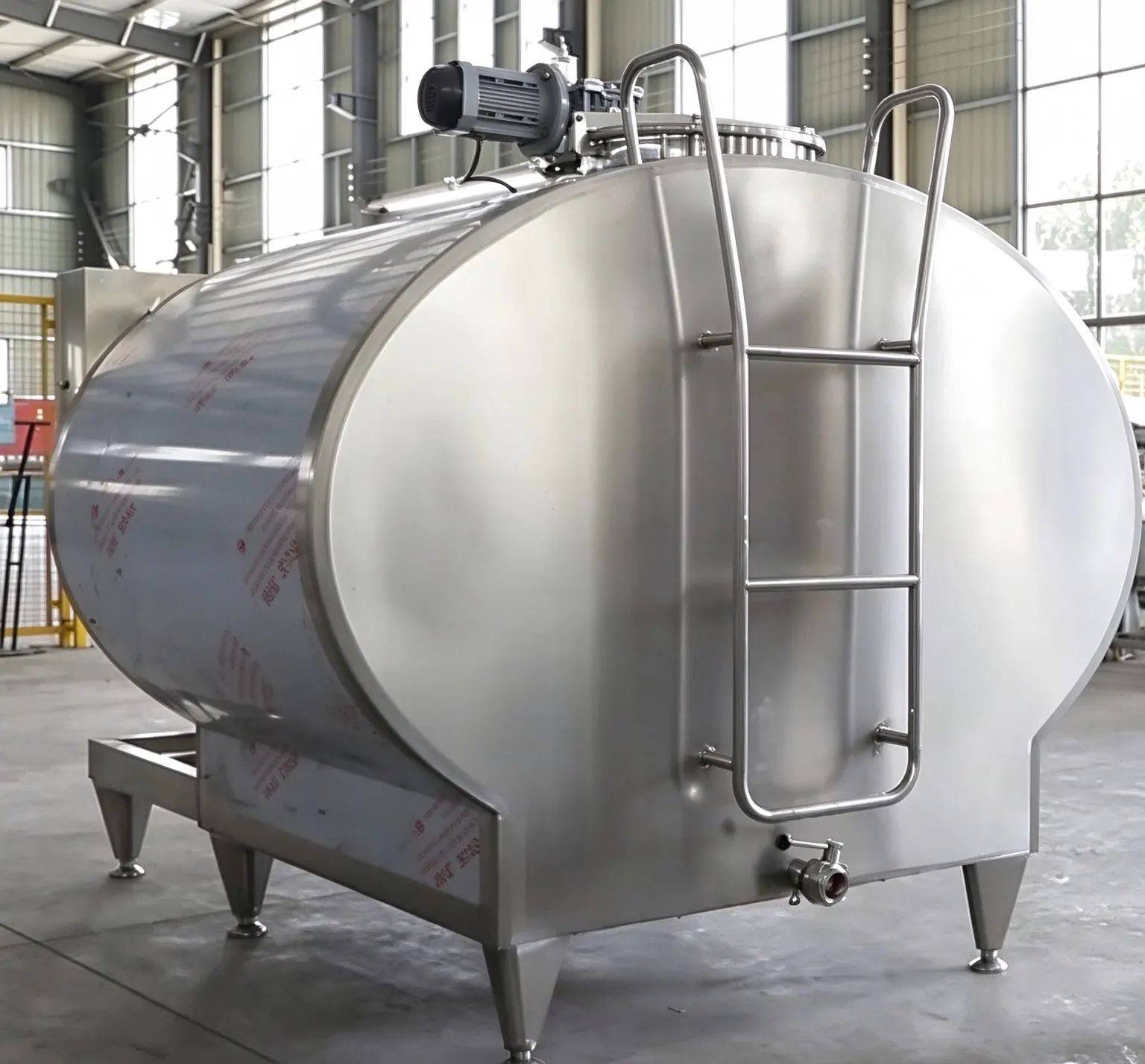
Horizontal milk cooling and storage tank
Overview

What decides the result

Sizing therefore depends on your delivery pattern as much as on your daily volume — a plant taking one delivery a day needs different storage from one taking three.

Equipment in this category

Standard construction

  • Horizontal and vertical designs, 100 to 20,000 litres
  • Refrigerated versions with an air-cooled condensing unit and Emerson compressor; refrigerant chosen to suit your country
  • Insulated double shell, top-mounted agitator with gear motor, manhole and sanitary outlet valve
  • Digital temperature controller on the tank control box
  • SUS304 stainless steel on all product contact surfaces, polished to Ra 0.6 μm, argon-shielded welds
  • Motors and controls wired for your local voltage and frequency (e.g. 220 V / 380 V / 415 V / 440 V, 50 or 60 Hz)
Built to order

Vertical and horizontal tanks are built to order, insulated, with agitation and cooling specified to the duty. Tell us your daily volume, your delivery pattern and the temperature you need to hold.

Send my requirements →
Real photos · our workshop

Milk Cooling & Storage Tanks built in our workshop

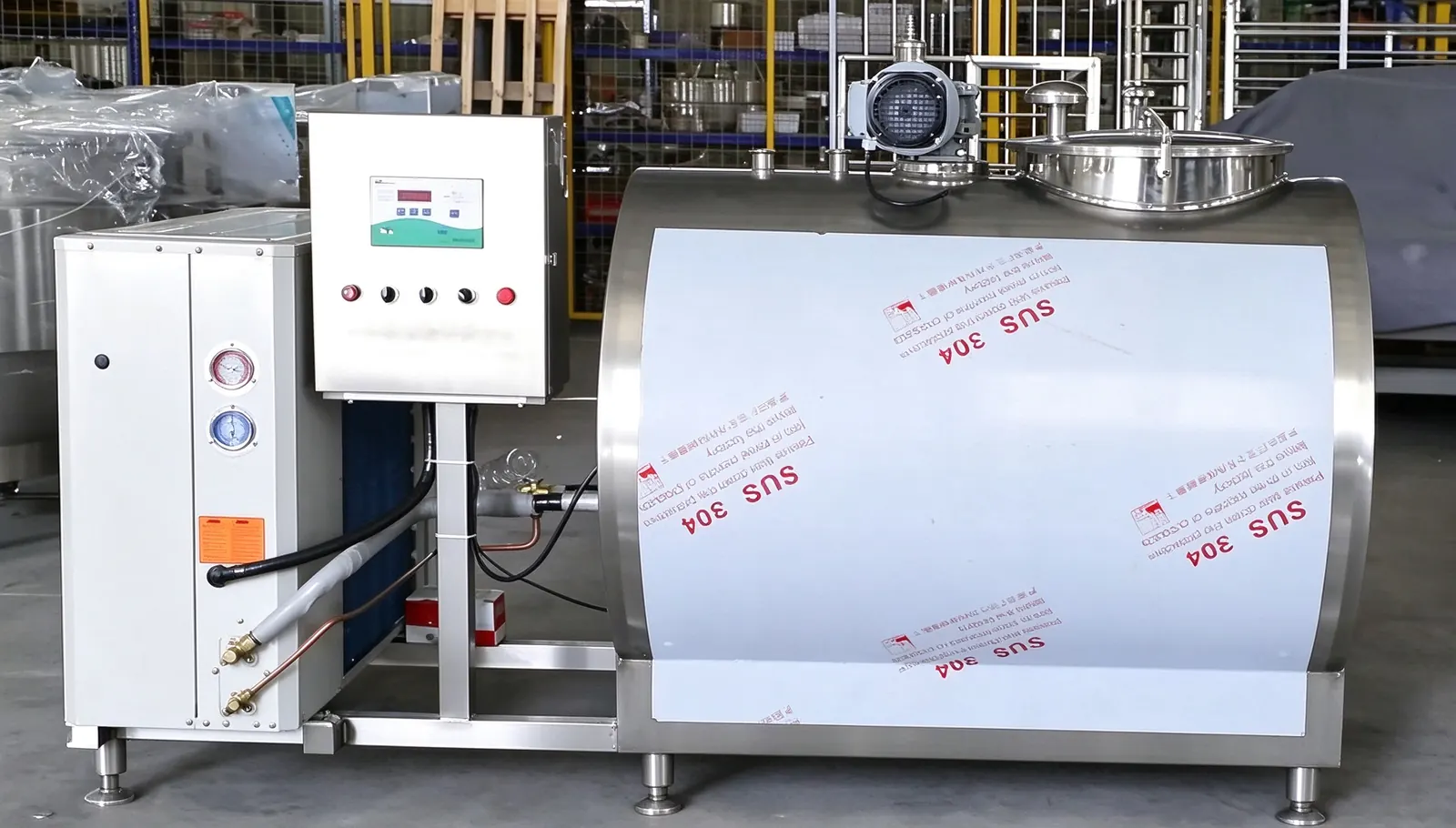
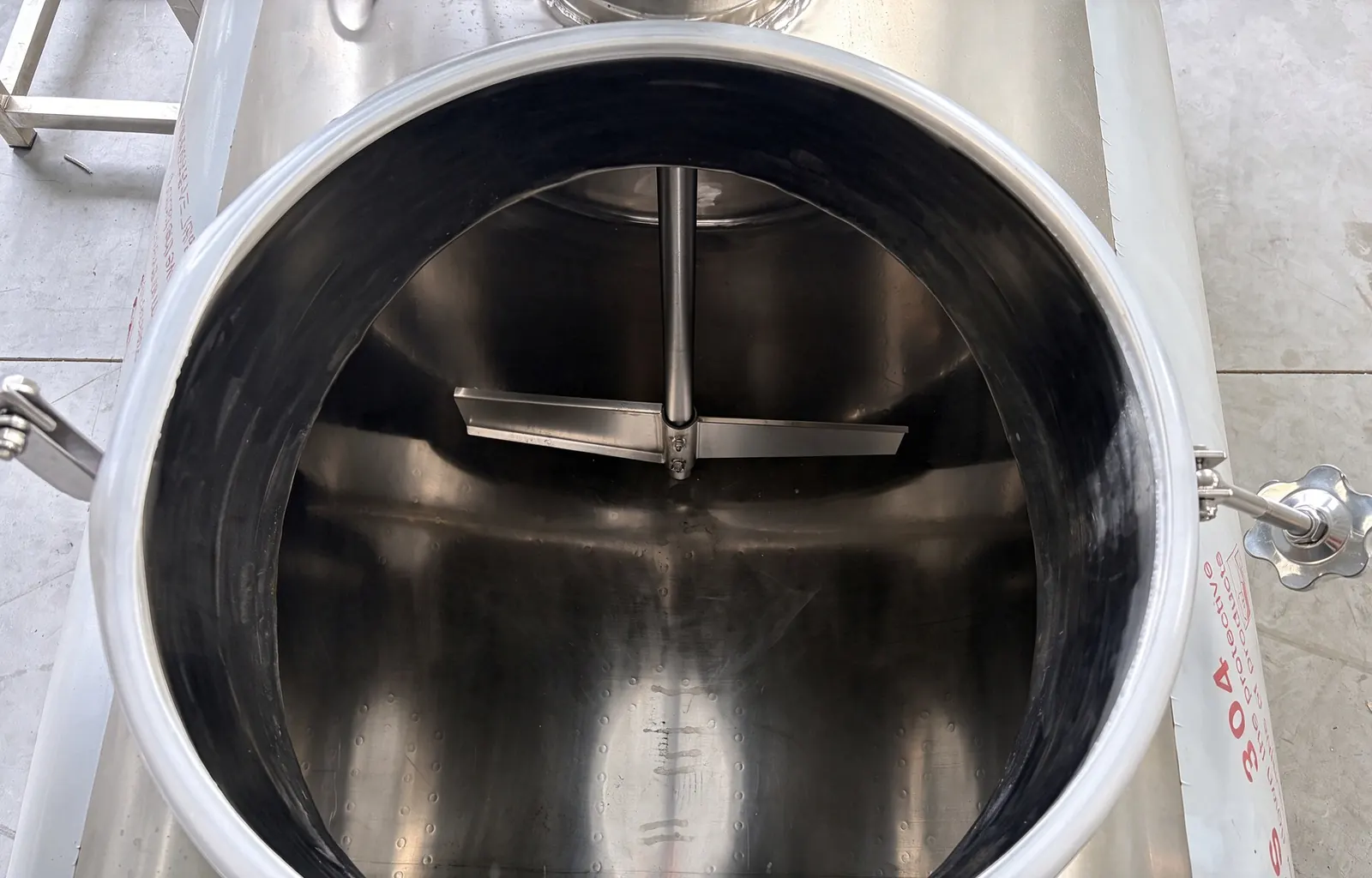
Milk cooling and storage tank – walkaroundTank shell, agitator drive, manhole and condensing unit.
  • Milk cooling tank with condensing unit
  • Tank interior and agitator
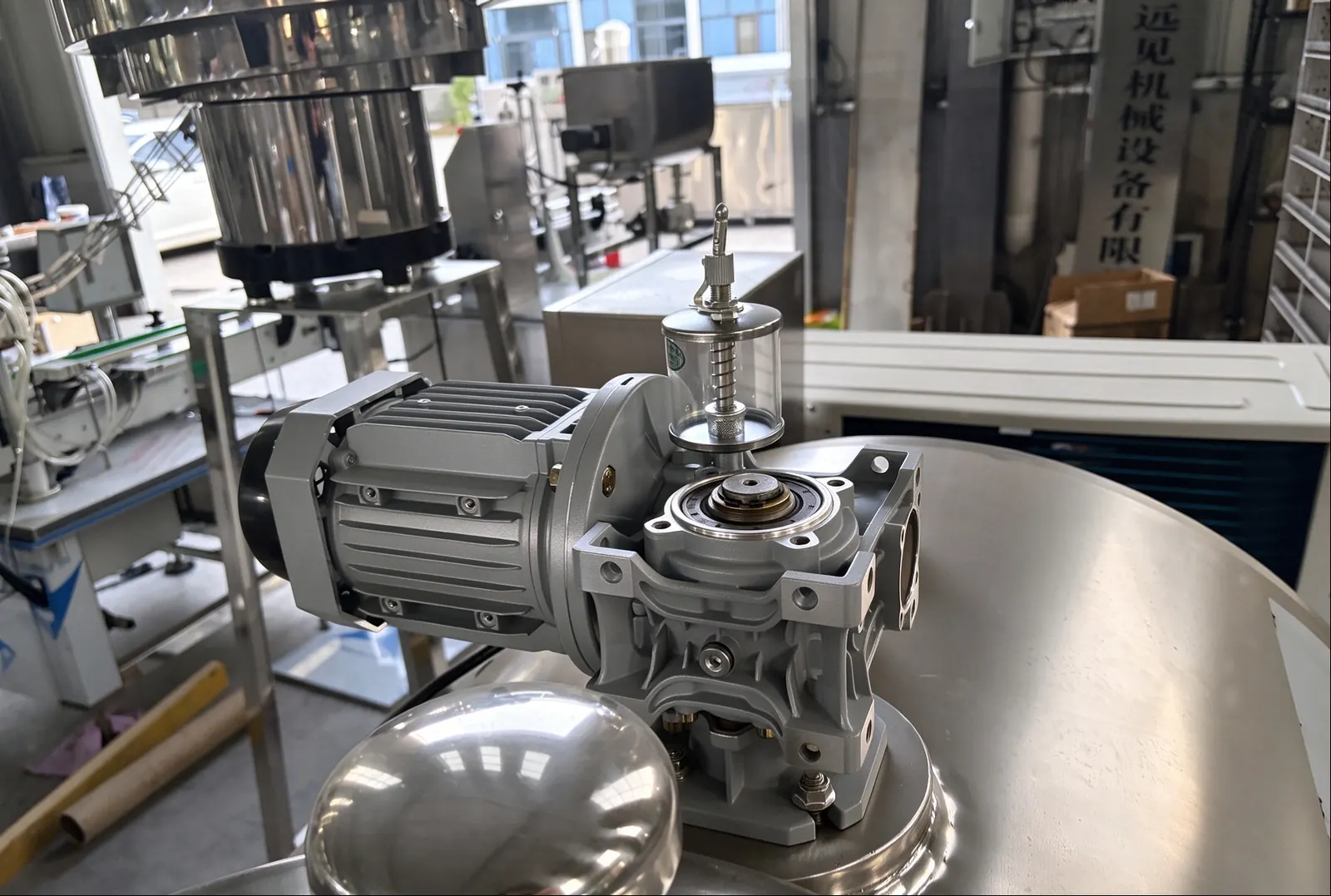
  • Agitator gear motor

How to choose

  1. Start from milk per collection

    Size the tank to the largest volume it must hold between pick-ups or production runs, plus about 10 % headroom — not to the daily total.

  2. Decide if it must cool, or only hold

    Farm and collection-centre tanks cool warm milk and need a refrigeration unit. Plant buffer tanks receive milk that is already cold and usually need insulation only.

  3. Choose horizontal or vertical

    Horizontal tanks suit low rooms and farms; vertical tanks save floor area in plants with ceiling height.

  4. Check power and ambient temperature

    Cooling time depends on ambient temperature and supply voltage. Tell us both so the compressor is sized for your hottest month.

Not sure which model fits your throughput?

Send your daily volume and your site conditions. We will recommend a model and explain the reasoning — including a smaller machine than you asked for, if that is what makes sense.

Where this equipment fits in your line

Engineering guides

Information we need to quote

  1. What daily volume, and how many deliveries per day?
  2. What temperature do you need to hold, and for how long?
  3. Raw milk, processed milk, or both?
  4. What space is available — floor area and ceiling height?
  5. Local voltage and frequency?

Questions buyers ask

Vertical or horizontal?
Vertical tanks use less floor area for the same volume and suit plants with height available. Horizontal tanks suit low ceilings and are easier to inspect internally. Send us your floor plan including ceiling height and we will advise.
What sizes of milk cooling tank do you make?
From 100 litres for small farms up to 20,000 litres for collection centres and plants, in horizontal or vertical form. Every tank is built to order, so the volume is set by your collection pattern rather than a fixed catalogue size.
How fast does the tank cool the milk?
Milk should reach about 4 °C within a few hours of milking. The actual time depends on the volume added per milking, the ambient temperature and the compressor size, so we size the refrigeration unit from those three figures. Tell us how many milkings per day and your hottest ambient temperature.
Which refrigerant and compressor do you use?
Emerson compressors as standard. The refrigerant is chosen to match what your local refrigeration technicians can service and what your country permits.
Start with your numbers

Tell us what you produce. We will size the line.

Product, daily volume, voltage and heating source are enough to start. An engineer replies with a process flow, equipment list and quotation.