Pasteurization vs UHT: How to Choose Milk Heat Treatment for Your Market
The choice between pasteurized and UHT milk is decided by your distribution chain, not your budget. A practical guide for new dairy plants.
Mixing tanks sit between raw material and heat treatment. They are where powder is reconstituted, where fat content is standardised, and where recipes are made up before the product goes forward.
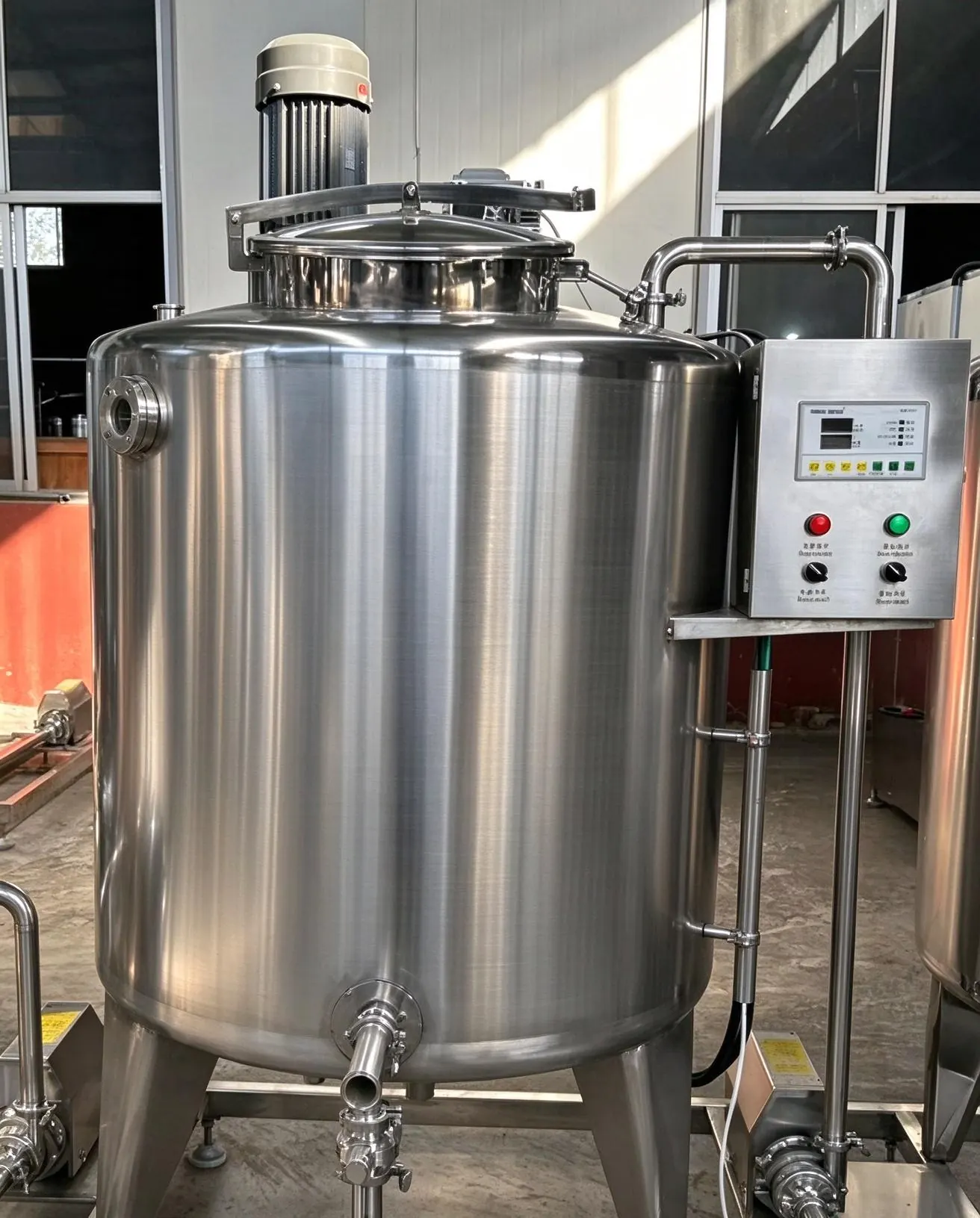
Volume, agitator type and jacket duty are worked out from your batch size and what you are mixing. A tank sized for water behaves differently once you add powder at ten percent — which is why we ask what goes in it before quoting a size.
Tanks are built to order. Contact surfaces are SUS304 finished to Ra 0.6 μm, with argon-shielded welds and food-grade seals, and a material certificate is supplied with every order. Send your batch volume, what you are mixing and whether you need heating, cooling or both.
Send my requirements →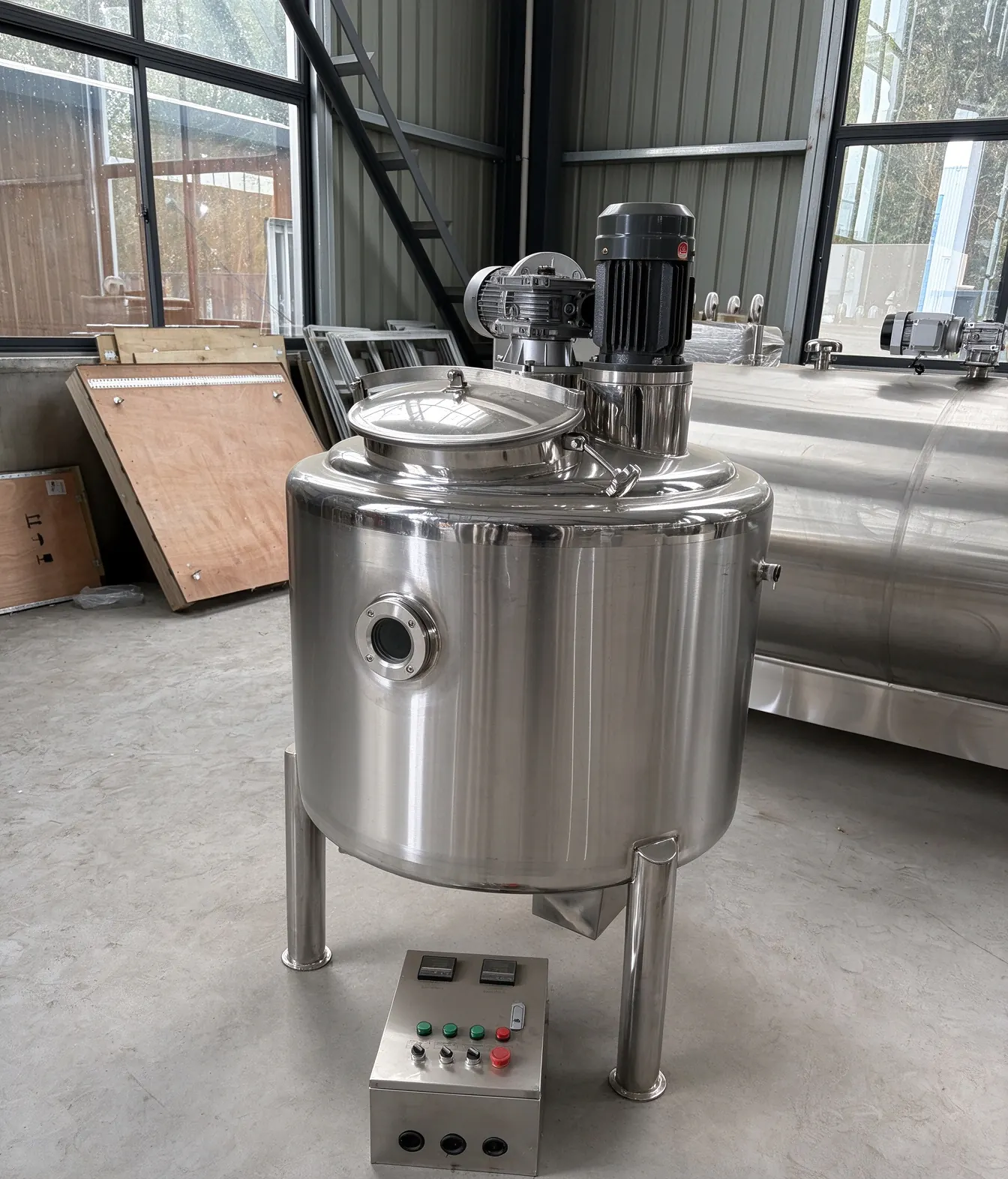
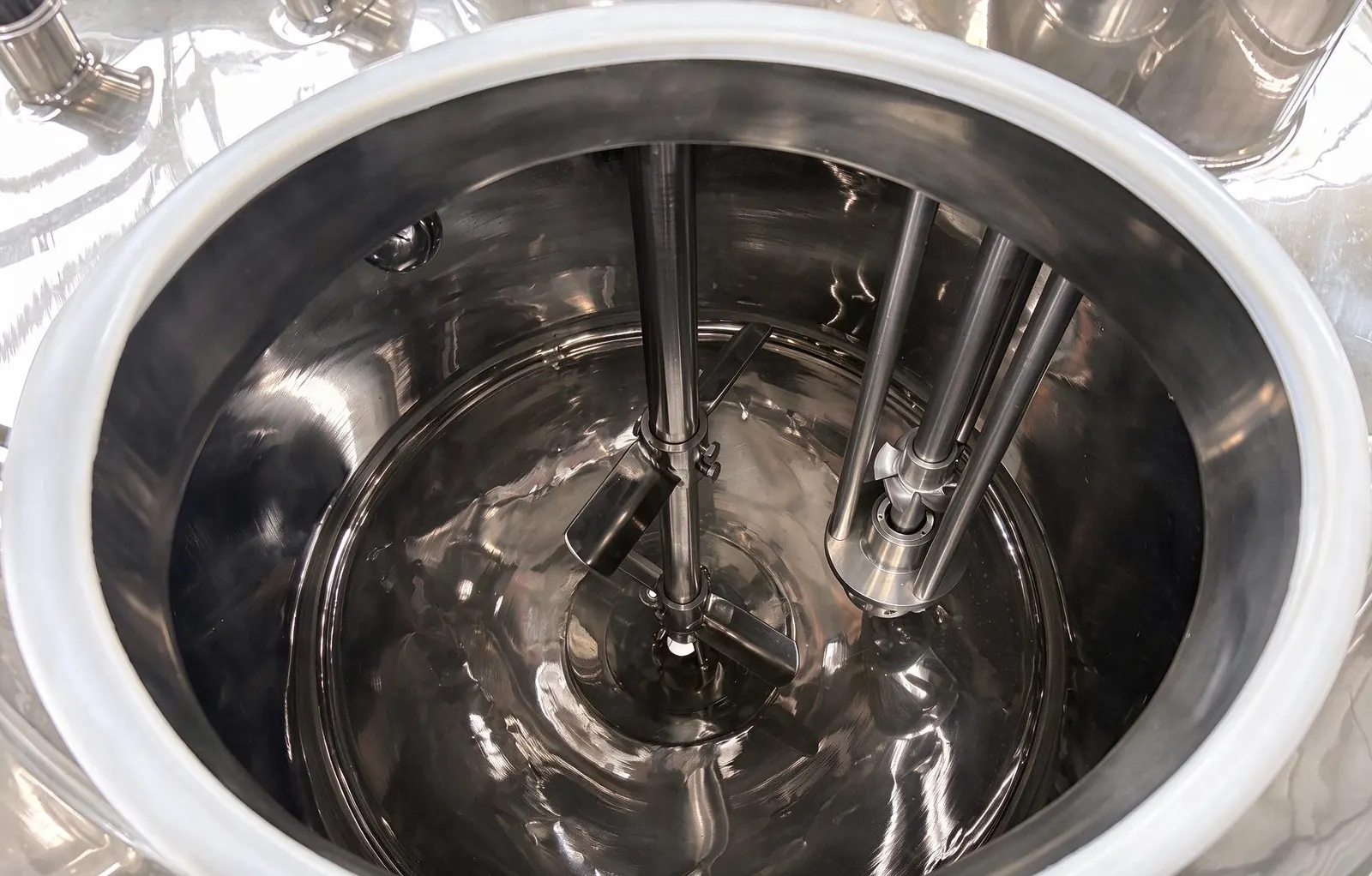
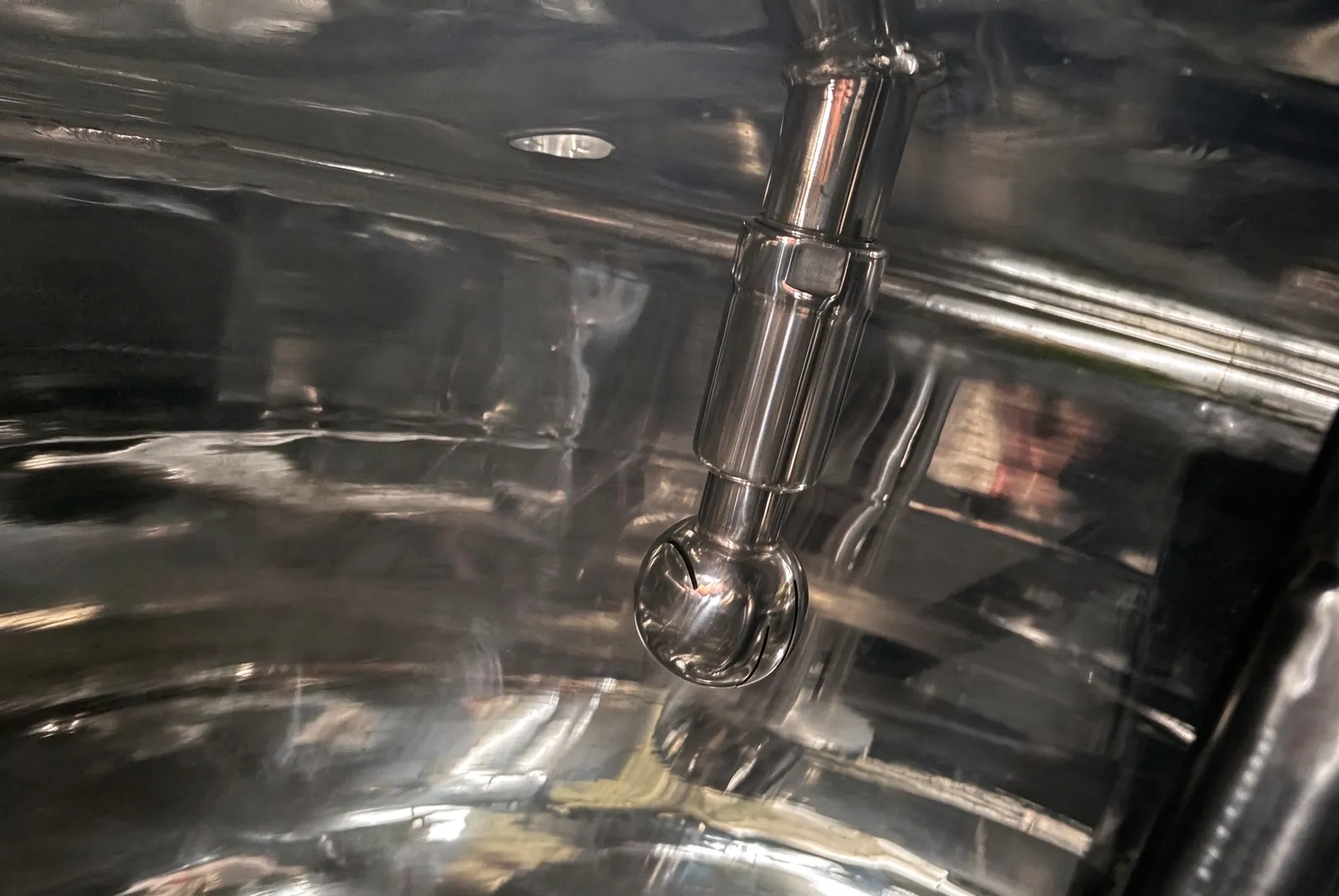
Agitation needs room. A tank filled to the brim splashes and aerates; we add headspace above your batch volume.
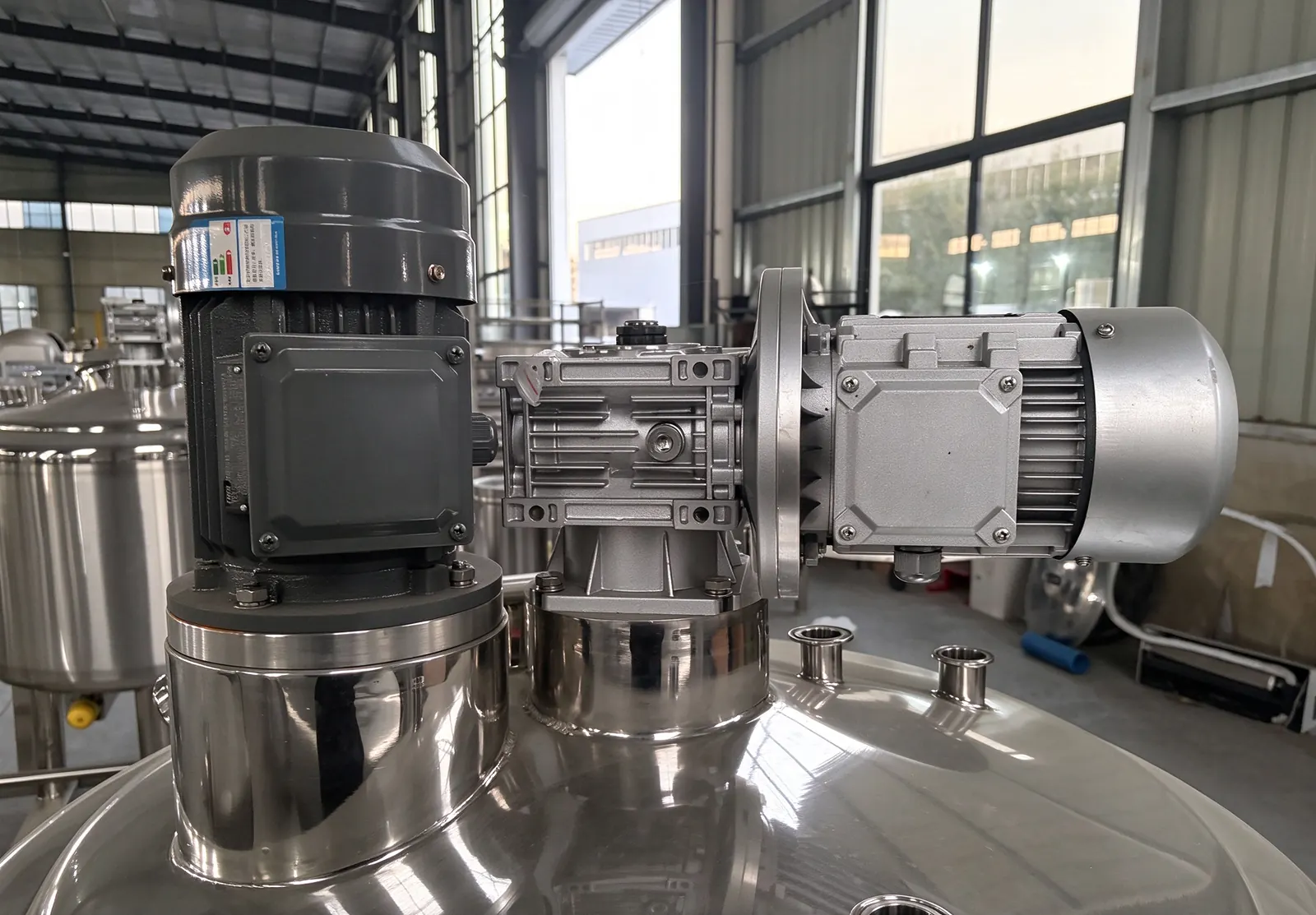
Liquid blending needs a slow anchor or paddle. Powder at more than a few percent needs high shear to dissolve without lumps.
Steam, hot water or electric heating; chilled water or glycol for cooling. The jacket is designed for the medium you actually have on site.
Send your daily volume and your site conditions. We will recommend a model and explain the reasoning — including a smaller machine than you asked for, if that is what makes sense.
The choice between pasteurized and UHT milk is decided by your distribution chain, not your budget. A practical guide for new dairy plants.
CIP is the equipment most often bought too small. How to size tank volume, flow and the number of tanks from your circuits and cleaning window.